



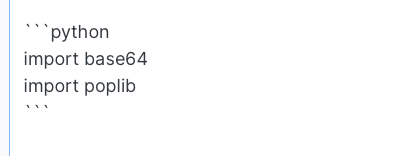


Такое было на самых первых версиях с Chromim движком
не получается с модуля почты получить письма с hotmail
-
помоготи пожалуйста решить вопрос:
не получается с модуля почты получить письма с hotmail
настройки почты указываю:
IMAP-сервер outlook.office365.com
Порт IMAP 993
через веб интерфей получается зайти.
возможно они что то обновили. -
обрубили коннекты майкрософт, только при чем тут модуль и бас в целом
-
-
-
@GhostZ said in не получается с модуля почты получить письма с hotmail:
@mikivin, вы можете попробовать подключится по OAuth2, выполнив следующий код после действия "Настроить получение почты":
_InMail.getApi().curlOpts["CURLOPT_XOAUTH2_BEARER"] = [[TOKEN]];[[TOKEN]]- Токен OAuth 2.0Нифига, а что ты не сказал в модуле эта фича есть!!! Нужно обновление модуля без костыля этого.
-
@FastSpace, ну меня по этому поводу никто и не спрашивал, а на добавление и тестирование нужно время
-
@GhostZ said in не получается с модуля почты получить письма с hotmail:
@FastSpace, ну меня по этому поводу никто и не спрашивал, а на добавление и тестирование нужно время
Как обычно проблема сообщества, даже объяснить не могут что им нужно xD
В общем фича очень нужна , шас вся основная тройка трастовых забугор почт gmail, yahoo, oulook перешли на OAuth 2.0.
Первым отключил yahoo, потом google и все сидели на oulook'ах. А шас и его нет ( -
import base64
import poplib
import re
import time
from email import message_from_bytes # Для разбора содержимого письмаФункция для генерации строки аутентификации OAuth2
def generate_auth_string(user, token):
auth_string = f"user={user}\1auth=Bearer {token}\1\1"
return auth_stringPOP3 параметры
pop3_server = 'outlook.office365.com'
pop3_port = 995 # POP3 over SSLФункция подключения к POP3 и чтения писем
def connect_pop3(email, access_token):
try:
server = poplib.POP3_SSL(pop3_server, pop3_port)# Используем OAuth2 аутентификацию auth_string = generate_auth_string(email, access_token) encoded_auth_string = base64.b64encode(auth_string.encode("utf-8")).decode("utf-8") server._shortcmd(f'AUTH XOAUTH2') server._shortcmd(f'{encoded_auth_string}') # Получаем список писем num_messages = len(server.list()[1]) print(f"There are {num_messages} emails in the inbox for {email}.") # Читаем и парсим содержимое каждого письма for i in range(num_messages): response, lines, octets = server.retr(i + 1) msg_content = b"\n".join(lines) # Разбираем содержимое письма с помощью библиотеки email msg = message_from_bytes(msg_content) # Извлечение заголовков subject = msg.get('Subject', 'No Subject') from_ = msg.get('From', 'Unknown Sender') date = msg.get('Date', 'Unknown Date') print(f"Email {i + 1} for {email}:") print(f"From: {from_}") print(f"Subject: {subject}") print(f"Date: {date}") # Извлечение содержимого письма if msg.is_multipart(): for part in msg.walk(): content_type = part.get_content_type() if content_type == 'text/plain': print("Text content:") print(part.get_payload(decode=True).decode("utf-8")) elif content_type == 'text/html': print("HTML content:") print(part.get_payload(decode=True).decode("utf-8")) else: print("Message content:") print(msg.get_payload(decode=True).decode("utf-8")) print("=" * 50) server.quit() except Exception as e: print(f"Error connecting to {email}: {e}")Функция для извлечения данных с помощью регулярного выражения
def extract_email_and_token(text):
email_pattern = r'"Email":"(.?)"'
token_pattern = r'"AccessToken":"(.?)"'email_match = re.search(email_pattern, text) token_match = re.search(token_pattern, text) if email_match and token_match: email = email_match.group(1) access_token = token_match.group(1) return email, access_token else: return None, NoneЧтение строк по одной и обработка
def process_lines_from_file(file_path, pause_duration=5):
try:
with open(file_path, 'r', encoding='utf-8') as file:
for line in file:
line = line.strip() # Убираем лишние пробелы и пустые строки
if line: # Пропуск пустых строк
email, access_token = extract_email_and_token(line)
if email and access_token:
print(f"Processing email: {email}")
connect_pop3(email, access_token)# Пауза перед обработкой следующей строки time.sleep(pause_duration) else: print(f"Could not extract data from line: {line}") except Exception as e: print(f"An error occurred while reading the file: {e}")Укажите путь к вашему текстовому файлу
file_path = "Путь к вашему файлу с почтами в формате JSON"
Обработка всех строк в файле с паузой в 5 секунд между запросами
process_lines_from_file(file_path, pause_duration=5)
-
-
@sergerdn said in не получается с модуля почты получить письма с hotmail:
@mikivin said in не получается с модуля почты получить письма с hotmail:
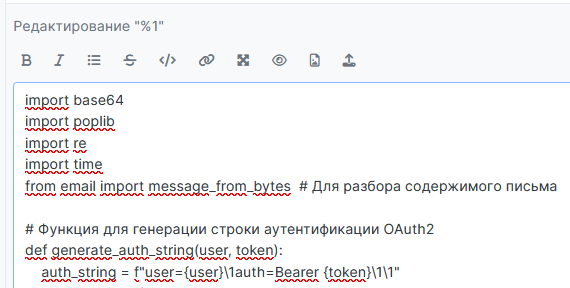
Если использовать три backticks, то форматирование не едет.
import base64
import poplib
Он его вообще не использовал
-
@GhostZ said in не получается с модуля почты получить письма с hotmail:
@FastSpace, ну меня по этому поводу никто и не спрашивал, а на добавление и тестирование нужно время
а по моему просили что-то такое https://community.bablosoft.com/post/148369